
Junk Removal
Estate Cleanout in Toronto: A Step-by-Step Guide for Families
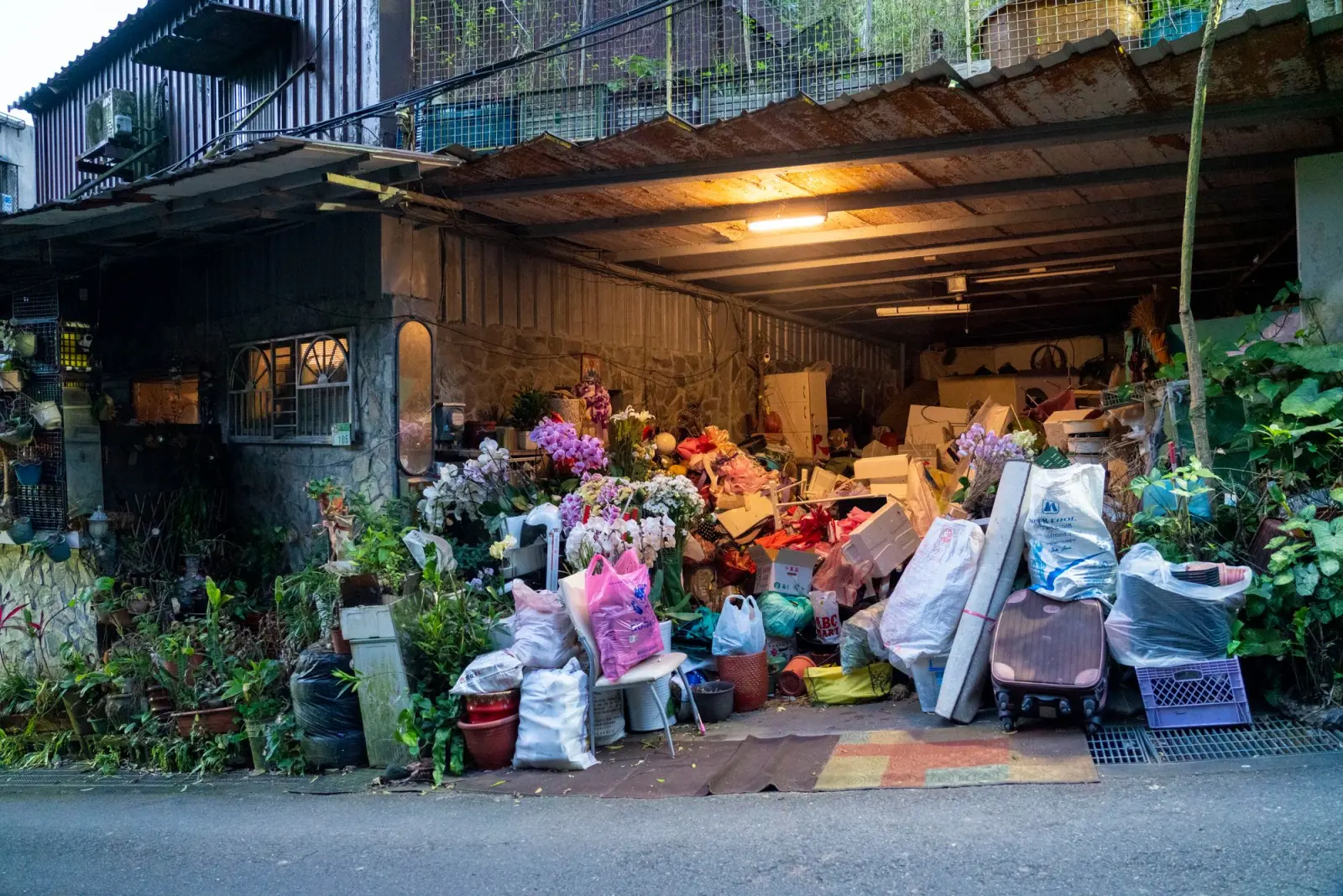
An estate cleanout in Toronto usually works best in this order: confirm the estate trustee is ready, secure important papers and valuables, let the family choose what to keep, then sell, donate, recycle and finally remove what is left. There's rarely a need to rush, and each step is easier once the one before it is done.
Who Usually Handles an Estate Cleanout?
The estate trustee, often called the executor, usually decides what happens to the belongings, often with the family's help.
Ontario's guide to what to do when someone dies explains that the estate trustee is also called the executor, and is authorized to administer the estate (Ontario: what to do when someone dies). Some estates also need an estate certificate from the court before the trustee can manage certain assets (Ontario: estate administration tax). The Government of Canada has a questionnaire that builds a checklist of the federal steps (Canada.ca).
We aren't lawyers, and every estate is different. Before anything of value leaves the house, it's worth checking with the estate trustee and, if needed, a lawyer. Ontario's page points to the Law Society Referral Service.
What Order Should You Work In?
Protect what matters first, let the family choose, and only then sell, donate, recycle or remove the rest.
- Secure the house and papers. Change or collect keys, redirect mail, and gather documents and valuables in one place.
- Let the family choose. Give everyone time to pick keepsakes, and write down who takes what.
- Sell what has value, if the trustee wants to.
- Donate usable furniture and household goods.
- Recycle electronics and dispose of hazardous products properly.
- Remove whatever is left.
Working in this order means nothing important ends up on a truck by mistake.
What Should You Set Aside Before Anything Leaves the House?
Documents, photos, keepsakes and anything with personal information.
Papers turn up in unexpected places: books, coat pockets, kitchen drawers and old shoe boxes. Before sorting anything else, look for:
- The will, insurance policies, bank and investment statements, and property papers
- Tax records. The CRA generally asks that records be kept for six years, and says a deceased person's legal representative can destroy them after receiving a clearance certificate (CRA: keeping records)
- Photos, letters, recipes and family keepsakes
- Cash, jewellery and small valuables
- Computers, phones and tablets, which may hold personal information
The CRA asks to be told about the date of death as soon as possible (CRA). Papers with personal information should be shredded rather than thrown out; the federal Privacy Commissioner lists shredding among the secure ways to destroy paper records (Office of the Privacy Commissioner).
Where Can Belongings Go in Toronto?
Usable furniture can often be donated, electronics and hazardous products have free City options, and the rest can go to the curb or be hauled away.
| Option | Takes | Doesn't take | How |
|---|---|---|---|
| Furniture Bank | Sofas, tables, beds, stain-free mattresses, dressers, working electronics, kitchenware | Major appliances, clothing and linens, anything with pests, mould or stains | Paid pickup, or weekday walk-in drop-off |
| Habitat for Humanity GTA ReStore | Furniture and appliances in saleable condition | Mattresses and bedding, subzero-style fridges, hazardous materials | Free curbside pickup for qualifying items; book at least 10 days ahead |
| Salvation Army Thrift Stores | Clothing, bedding, kitchenware, decor, books, electronics | Furniture, mattresses, large appliances | Drop-off only; no pickups |
| City curbside collection | Furniture, mattresses, appliances (doors removed), set beside the bin on collection day | Hazardous waste, renovation waste, tires | No booking needed for houses |
| City e-waste collection | Unwanted electronics, free | Batteries left inside | Garbage day, a depot or a Community Environment Day |
| City Toxic Taxi | Paint, batteries, medication, propane tanks and similar, 10 to 50 litres or kg | Smaller or larger amounts | Free; request through 311 |
City sources, checked November 4, 2026: oversized and metal items, electronic waste and household hazardous waste. The City reminds you that you're responsible for any personal information left on devices, so wipe them first. Our guide on getting rid of a fridge, couch or mattress has more detail.
How Do You Time a Cleanout When the House Is Being Sold?
Work back from the listing or closing date, and leave time for the family before the removal.
If the house is going on the market, the realtor may want it cleared, or partly cleared, before photos and showings. If it's already sold, the closing date is the deadline. Check with the trustee and the realtor what has to stay with the house, such as fixtures or appliances included in the sale. Leave the removal for last, after the family and the donation pickups, and allow a buffer in case a pickup is delayed.
How Does Tanco Handle the Removal?
We clear what's left once the family has taken what they want, with our own truck.
Estate, garage and basement cleanouts are part of our junk removal service. Pricing starts at a minimum charge and rises with the size of the load, and heavy or special items cost extra depending on the item and its weight. Same-day junk removal is available. If the home is in a condo, we can provide a certificate of insurance when the building asks. We work Monday to Saturday, 8 AM to 8 PM, across the GTA, from Toronto to Scarborough and Markham.
To see roughly how much of a truckload is left, try the load calculator in Junk Removal mode. Our junk removal prep guide and junk removal cost guide cover the practical side.
What Does an Estate Cleanout Timeline Look Like?
Every family's pace is different; this is one way to spread the work out.
| Stage | What happens |
|---|---|
| First days | Secure the house, collect keys and mail, find the will and key papers |
| First weeks | Gather documents and valuables; tell the CRA and other agencies |
| Family time | Family members choose keepsakes; record who takes what |
| Sorting | Decide what to sell, donate, recycle or remove |
| Donations | Book charity pickups, about 10 days ahead for Habitat ReStore |
| Recycling | Electronics and hazardous products through the City |
| Removal | Clear what remains; final walk-through |
Estate Cleanout Checklist
Print it and work through it at your own pace. Tick items off as each one is done.
Before anything leaves the house
- Confirm who the estate trustee (executor) is, and that they agree to the cleanout
- Secure the house: keys, locks, mail, heating and alarms
- Find and set aside the will, financial papers, tax records and ID
- Gather cash, jewellery and other valuables in one safe place
- Photograph rooms before anything is moved
Family keepsakes
- Set aside photos, letters, recipes and keepsakes for the family to go through
- Agree how family members choose items, and record who takes what
- Check pockets, drawers, books and boxes for papers and cash
- Give everyone a deadline to collect what they are keeping
Sell, donate, recycle
- List items worth selling and decide who handles it
- Check donation rules (Furniture Bank, Habitat ReStore, Salvation Army) before booking
- Wipe or remove storage from computers and phones
- Book electronics, hazardous waste and oversized items with the City or a hauler
Clearing the house
- Book junk removal for what is left
- Tell the building or neighbours if a truck and elevator are needed
- Keep personal papers to shred separately
- Do a final walk-through of every room, closet, basement and garage

tancotransport.com/resources/estate-cleanout-toronto · (647) 992-5757 · Tanco Transport Inc.
Questions
Where do I start when clearing out a parent's house?
Start by securing the house and finding important papers and valuables. Then give the family time to choose keepsakes before anything is sold, donated or removed.
What should I keep after a parent dies?
Keep the will, financial and property papers, tax records, ID documents, photos and family keepsakes. The CRA generally asks that records be kept for six years, or until a clearance certificate is received.
Can you empty a house before probate in Ontario?
That depends on the estate. In Ontario the estate trustee administers the estate, so check with the trustee and, if needed, a lawyer before anything of value is removed.
How long does an estate cleanout take?
It depends on the size of the home and how much time the family needs. Sorting and family decisions usually take longest; the removal itself is the last and shortest step.
Where can I donate a parent's furniture in Toronto?
Furniture Bank and Habitat for Humanity GTA ReStores both accept furniture in good condition. Check each one's rules first, since condition and item limits apply.
How much does an estate cleanout cost?
With Tanco, removal is priced from a minimum charge that rises with the size of the load, and heavy or special items cost extra. Send photos for an accurate quote.