

Junk Removal
How to Prepare for Junk Removal or a Cleanout: Sorting, Access and What to Tell Your Hauler
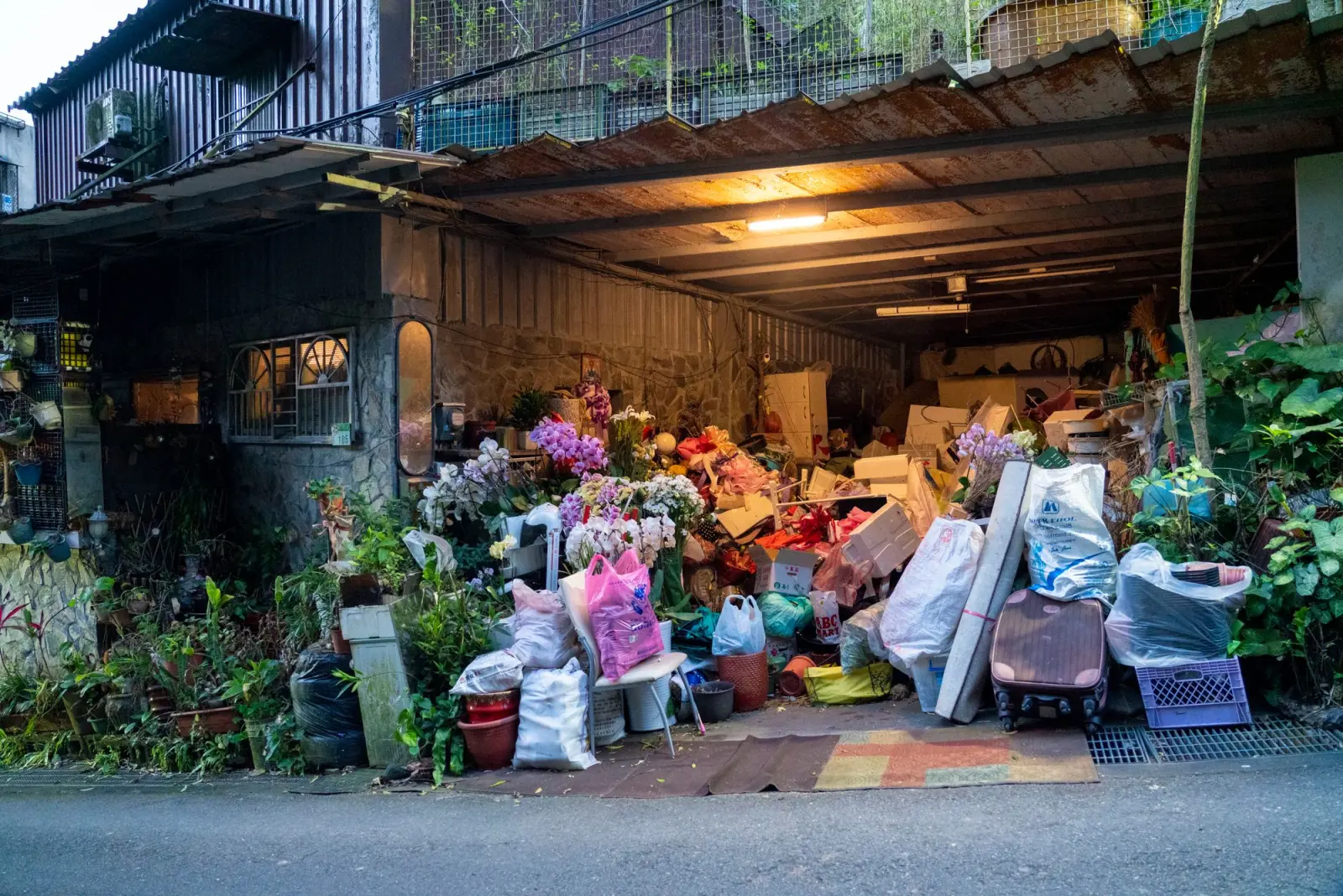
To prepare for junk removal, sort everything into keep, donate and remove piles, set aside anything that falls under municipal disposal rules (like paint, propane and electronics), and clear a path from the junk to the truck. Then send the hauler photos and a rough list so they can quote accurately.
That covers most jobs. The sections below go into estates, garages and basements, appliances, and the details that make the pickup itself go fast.
How Should You Sort Items Before a Junk Removal?
Sorting is the slow part, and it's the part only you can do. A hauler can carry a couch down three flights in minutes. They can't decide whether your grandmother's sewing box stays.
Use three piles, and mark them clearly with tape or signs:
- Keep: anything you're holding on to. Move it to a separate room if you can, so nothing gets taken by mistake.
- Donate or sell: furniture and household items in usable shape.
- Remove: everything that's going on the truck.
Add a fourth spot for anything you're unsure about. Deal with that box last, not in the middle, or the whole job stalls.
Work one room or one zone at a time. A basement that looks impossible as a whole is very manageable shelf by shelf.
What Should You Keep, Donate or Get Rid Of?
A quick rule of thumb: if it works, it's clean and someone could use it this month, try to donate it. If it's broken, stained or missing parts, it goes in the remove pile.
| Item | Usually | Before pickup |
|---|---|---|
| Documents, photos, keepsakes | Keep or sort carefully | Check drawers, books and boxes for papers and cash |
| Furniture in good shape | Donate or sell | Check whether the charity accepts it and picks up |
| Broken or worn furniture, mattresses | Remove | Clear the path to the door |
| Old appliances | Remove | Disconnect, empty and defrost (see below) |
| Paint, solvents, propane, batteries | Separate | Follow City of Toronto or your municipality's disposal rules |
| Electronics | Separate | Wipe personal data, check municipal drop-off options |
Charities change what they accept, so call or check their site first. Many won't take mattresses or upholstered furniture with any damage.
Which Items Have Special Disposal Rules in Toronto?
Household hazardous waste is the big category. That includes things like leftover paint, solvents, motor oil, pesticides, propane cylinders and batteries. These shouldn't go out with regular garbage, and you shouldn't assume any hauler can take them.
The City of Toronto runs drop-off depots and seasonal Community Environment Days for household hazardous waste and electronics, and its online Waste Wizard tells you where a specific item goes. If you live outside Toronto, in Peel, York, Durham or Halton, your region has its own program, so check their site.
Our advice: pull these items out of the junk pile early and keep them together in a box. Then check the rules for each one. Tell your hauler about them when you ask for a quote so there's no surprise on the day.
Electronics deserve a second thought for a different reason. Old laptops, phones and hard drives hold personal data. Wipe or remove storage before they leave your hands.
How Do You Clear an Access Path for the Hauler?
Walk the route the junk will take, from where it sits to where the truck will park. Then fix whatever slows it down.
- Clear hallways, stairs and doorways of boxes, rugs and shoes
- Prop doors open or note which ones need to come off their hinges
- Move your car out of the driveway so the truck can back in close
- In winter, shovel and salt the walkway and steps
- In a condo or apartment, book the service elevator and loading area with your building
- Protect floors and walls on the route if they're freshly finished
Basements are the usual trouble spot. Narrow stairs with a turn at the bottom can make a sofa or a chest freezer a real job. Measure them, and mention them when you ask for a quote.
How Should You Prepare Old Appliances for Removal?
Disconnect them before the hauler arrives if you can do it safely. That means:
- Fridges and freezers: empty them, unplug them a day ahead and let them defrost. Prop the door open and put towels down. Fridges, freezers and air conditioners contain refrigerant that's handled under specific rules, so tell the hauler what you have.
- Washers: turn off the water, disconnect the hoses and drain what you can. Expect a little water to come out on the way to the door.
- Dryers: unplug, and disconnect the vent duct. If it's a gas dryer, have the gas line shut off and capped by a qualified person.
- Stoves: electric ones just unplug. Gas stoves need the same qualified disconnection as a gas dryer.
- Dishwashers: these are usually hard-wired and plumbed in, so you may need a plumber or electrician to disconnect.
If disconnecting isn't something you're comfortable with, say so up front. Better to plan for it than find out when the crew is standing in your laundry room. For more on what we take, see junk removal.
What's Different About Estate, Garage and Basement Cleanouts?
Each one has its own snag.
Estate cleanouts
These are emotional and often involve several family members. Agree on who has the final say on what stays before anyone books a truck. Go through every drawer, pocket and book: people find cash, jewellery, wills and photos in the strangest places. Leave plenty of time. Rushing an estate cleanout is how things get lost that can't be replaced.
Garage cleanouts
Garages collect the hazardous stuff: paint cans, gas cans, propane tanks, old chemicals. Pull those out first and handle them under your municipality's rules. Then go after the bulk items like old bikes, broken lawn furniture and scrap lumber.
Basement cleanouts
Check for dampness and mould on boxes that have sat on the floor for years. Wear gloves and a mask when you sort. And measure that staircase.
Our estate, garage and basement cleanouts are handled by the same owner-operated truck from start to finish.
How Much Time Do You Need to Get Ready for a Cleanout?
Less than you fear for a single room, more than you'd guess for a whole house. A rough guide:
- A few large items (an old sofa, a mattress, a broken dresser): an evening to clear the path and set aside anything with disposal rules.
- A garage or basement: a weekend of sorting, especially if there are boxes nobody has opened in years.
- A full estate or whole-house cleanout: often a few weekends spread over several weeks, because family members need time to go through things.
Book the pickup once the sorting is mostly done, not before you start. A fixed date helps some people push through. For others it just adds pressure on a job that's already hard, especially with an estate. Be honest about which one you are.
If you're clearing out before a move, schedule the junk pickup a week or so ahead of moving day so the movers only handle what's actually coming with you.
What Should You Tell the Hauler to Get an Accurate Quote?
Photos do most of the work. Take a wide shot of each pile and a few close-ups of the big items. Then add:
- A rough list of large items (sofas, mattresses, appliances, dressers)
- Where the junk is: main floor, basement, upstairs, garage, backyard
- Stairs, elevators, narrow doorways or long walks to the truck
- Whether any appliances still need to be disconnected
- Any items that fall under hazardous waste or electronics rules
- Whether it's a construction job, since renovation debris like drywall, tile and lumber is heavy
- Preferred date and whether you'll be there
The more accurate the picture, the fewer surprises on pickup day. Send it through our quote form or call (647) 992-5757.
Questions
Do I need to sort everything before a junk removal pickup?
You don't need to bag every item, but you should clearly separate what stays from what goes. Mark the keep pile or move it to another room so nothing is taken by mistake. Set hazardous items aside so they can be handled under your municipality's rules.
Can junk removal take paint, propane tanks or batteries?
These are household hazardous waste and have their own disposal rules. In Toronto, the City runs drop-off depots and Community Environment Days, and its Waste Wizard shows where each item goes. Mention any of these items when you ask for a quote.
How do I prepare a fridge or freezer for removal?
Empty it, unplug it a day ahead and let it defrost with towels underneath. Fridges and freezers contain refrigerant that's handled under specific rules, so let your hauler know what you have when you book.
What helps a hauler give an accurate junk removal quote?
Clear photos of each pile, a list of large items and details about where everything is located. Mention stairs, elevators, narrow doorways and anything that still needs to be disconnected. Heavy renovation debris should be flagged too.