

Shipping Guides
How to Ship a Pallet Across Canada from Toronto
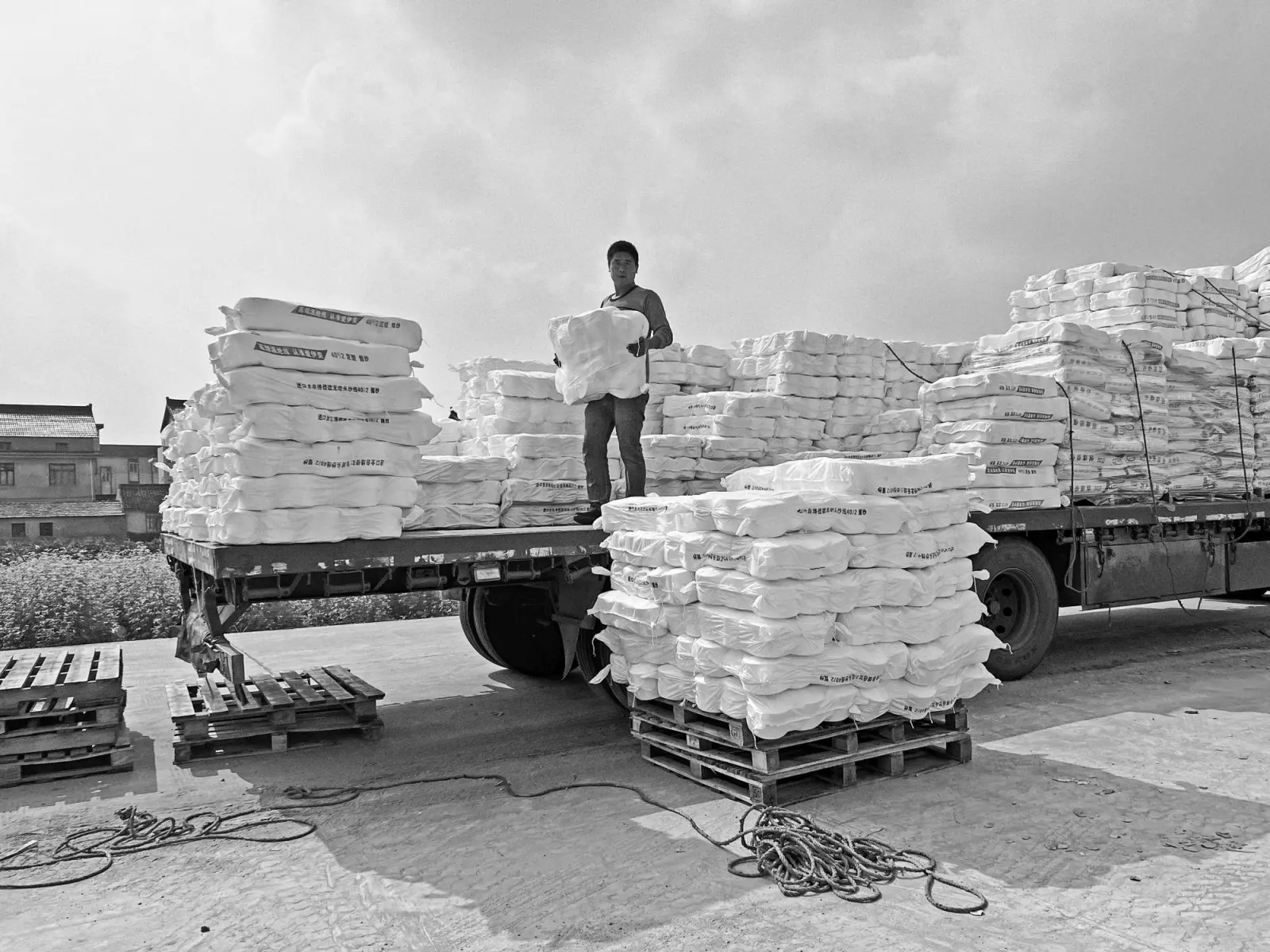
To ship a pallet across Canada from Toronto, stack your boxes squarely on a standard 40 × 48 inch pallet, stretch-wrap it tightly, label it on the sides a forklift can reach, and book a freight pickup. Pallets make sense once a shipment is heavy or bulky, and the price depends on its size, weight and density.
When Does a Pallet Beat Shipping Separate Boxes?
When the shipment is heavy, bulky or going to one address in many pieces.
FedEx Freight describes less-than-truckload (LTL) shipping as typically ideal for shipments between 150 and 20,000 pounds, up to 20 feet long (FedEx Freight: Freight shipping 101). Below that, separate packages usually make more sense.
| Situation | Usually better as |
|---|---|
| A few light boxes to different addresses | Separate packages |
| Dozens of boxes to one customer or job site | One pallet |
| A single heavy item, like a machine or stock of tile | A pallet (freight) |
| A shipment over about 150 lb in total | Worth comparing freight with parcel |
| Fragile goods you don't want handled box by box | A wrapped pallet |
One wrapped pallet also arrives as one unit, so there's no chance of box seven of twelve going missing. For the parcel side, see FedEx Ground vs Express vs Freight.
Who Carries Pallets Within Canada?
FedEx Freight carries LTL pallets, and since June 2026 it has been a separate company from FedEx.
FedEx's own site now says FedEx Freight became an independent less-than-truckload company on June 1, and sends LTL customers to the FedEx Freight website (FedEx Canada: Freight). FedEx still offers air freight within Canada. Its FedEx 1Day Freight service delivers palletized shipments over 150 lb by 5 p.m. the next business day, with pieces up to 2,200 lb (997 kg) and up to 119 × 70 inches. It runs Monday to Friday and needs a loading dock at pickup, or a way to get the freight onto the truck (FedEx 1Day Freight).
Tell us what you're shipping and we'll arrange the right FedEx option for it. Our service covers shipments within Canada.
How Do You Build and Wrap a Pallet Properly?
Use a solid 40 × 48 inch pallet, stack boxes in straight columns with no overhang, and wrap it tightly.
These steps follow FedEx Freight's packing guidelines (FedEx Freight packing guides):
- Pick the pallet. FedEx Freight recommends the standard 40 × 48 inch Grocery Manufacturers Association (GMA) pallet. Use one in good repair.
- Stack in columns or interlock. Stack cartons in straight columns, or interlock them corner to corner and edge to edge. Avoid pyramids.
- Don't overhang. Boxes hanging over the pallet edge can lose up to 32% of their compression strength, according to the same guide.
- Heavy on the bottom. Put the heaviest, strongest cartons low and keep the top flat.
- Wrap it tight. FedEx Freight specifies self-adhering 70-gauge stretch wrap, tight enough to stop the load shifting.
- Label it. Put labels on the sides a forklift can reach, and attach the consignee's details and PRO numbers to all sides. Take off or cover old labels.
A single handling unit over 3,500 lb should be flagged to the local FedEx Freight centre before pickup. For FedEx 1Day Freight, FedEx asks for a base a forklift can lift, with heavy pieces banded and stretch-wrapped (FedEx freight packaging).
What Affects the Price of Shipping a Pallet?
Mainly the pallet's weight, its dimensions and how dense it is, plus any extra services at either end.
For shipments within Canada, FedEx Freight says classification is generally determined by a density-based rating structure: weight per cubic foot (FedEx Freight). A light, bulky pallet takes as much truck space as a heavy one, so its price per pound comes out higher.
Height matters more than people expect. FedEx Freight's rules tariff (effective January 5, 2026) says that for shipments within Canada, any shipment 60 inches or taller, or marked as non-stackable, is cubed to 96 inches high. In other words, it's priced as if nothing can go on top of it (FedEx Freight rules tariff, item 616-2B). FedEx Freight also lists peak seasons, April to May and September to October, when surcharges can apply.
- Keep pallets under 60 inches tall where you can.
- Build them to be stacked, with a flat, strong top.
- Measure accurately, including the pallet itself.
- Mention access at the delivery end, such as no dock, or a residential or hard-to-reach address.
With Tanco, you pay FedEx's own shipping rates, and the label comes directly from FedEx.
How Does Pallet Pickup Work With Tanco?
You book, we collect the pallet from your business, and we hand it to FedEx for delivery within Canada.
Tanco Transport arranges FedEx shipping for your business without you opening a FedEx account or committing to a minimum number of shipments. Here's how it goes:
- Send the number of pallets, their size and weight, the destination city and your pickup address through our quote form.
- We confirm the details and the pickup.
- We collect the pallets from your door.
- We hand them to FedEx. The label and tracking come directly from FedEx.
We pick up from businesses across the GTA, from warehouses in Vaughan and Brampton to shops in Toronto. See FedEx Shipping for the full service.
Why Do Pallets Get Delayed or Re-Weighed?
Most often because the weight, size or description on the paperwork doesn't match the pallet.
FedEx Freight's rules tariff says that if the description, weight or other information on the bill of lading is incomplete or believed to be incorrect, the carrier may open packages, verify the weight and check the density to find the correct information (item 980). The same tariff says a corrected bill of lading changing the dimensions won't be accepted once the shipment has been tendered for delivery (FedEx Freight rules tariff). The usual culprits:
- Weight guessed instead of weighed
- Dimensions that leave out the pallet or the overhang
- A loose or leaning load that has to be rewrapped
- Labels missing from some sides, or old labels left on
- No loading dock or forklift where one was needed
What Should You Check Before the Pallet Ships?
Run through this list before pickup and most problems never happen.
| Check | Why it matters |
|---|---|
| Standard 40 × 48 in pallet in good repair | The size FedEx Freight recommends; fits equipment and trailers |
| Boxes in columns, no overhang | Overhang can cut compression strength by up to 32% |
| Heaviest boxes at the bottom, flat top | Stability, and the pallet can be stacked |
| Tight 70-gauge stretch wrap | Stops shifting in transit |
| Under 60 in tall where possible | Taller shipments are cubed to 96 in within Canada |
| Weighed and measured, including the pallet | Prevents re-weighs and corrections |
| Labels on forklift-accessible sides | So the pallet can be identified and moved |
| Delivery access noted | Dock, liftgate or hard-to-reach address |
For more on cutting costs, read how Toronto businesses can lower FedEx shipping costs.
Questions
What is the standard pallet size for shipping in Canada?
FedEx Freight recommends the standard 40 by 48 inch GMA pallet. Using a standard size helps the pallet fit handling equipment and trailers.
How much weight can go on a pallet shipment?
FedEx Freight says an LTL shipment can weigh up to 20,000 lb and be up to 20 feet long, and asks you to notify the local centre about any single handling unit over 3,500 lb before pickup.
How is pallet shipping priced within Canada?
FedEx Freight says shipments within Canada are generally rated by density, meaning weight per cubic foot. Height, stackability and extra services at either end also affect the price.
Why does pallet height matter?
Under FedEx Freight's rules tariff, a shipment within Canada that is 60 inches or taller, or marked non-stackable, is cubed to 96 inches high, so it's priced as if it takes the full height of the trailer.
Do I need a FedEx account to ship a pallet with Tanco?
No. You don't need a FedEx account or a minimum number of shipments. You pay FedEx's own rates, and the label comes directly from FedEx.
Can Tanco pick up my pallet?
Yes. We pick up pallets from your business and hand them to FedEx for delivery within Canada. Send the size, weight, destination and pickup address through the quote form.