

For Contractors
Construction Material Delivery in the GTA: A Contractor's Guide to Supplier Runs and Site Drops
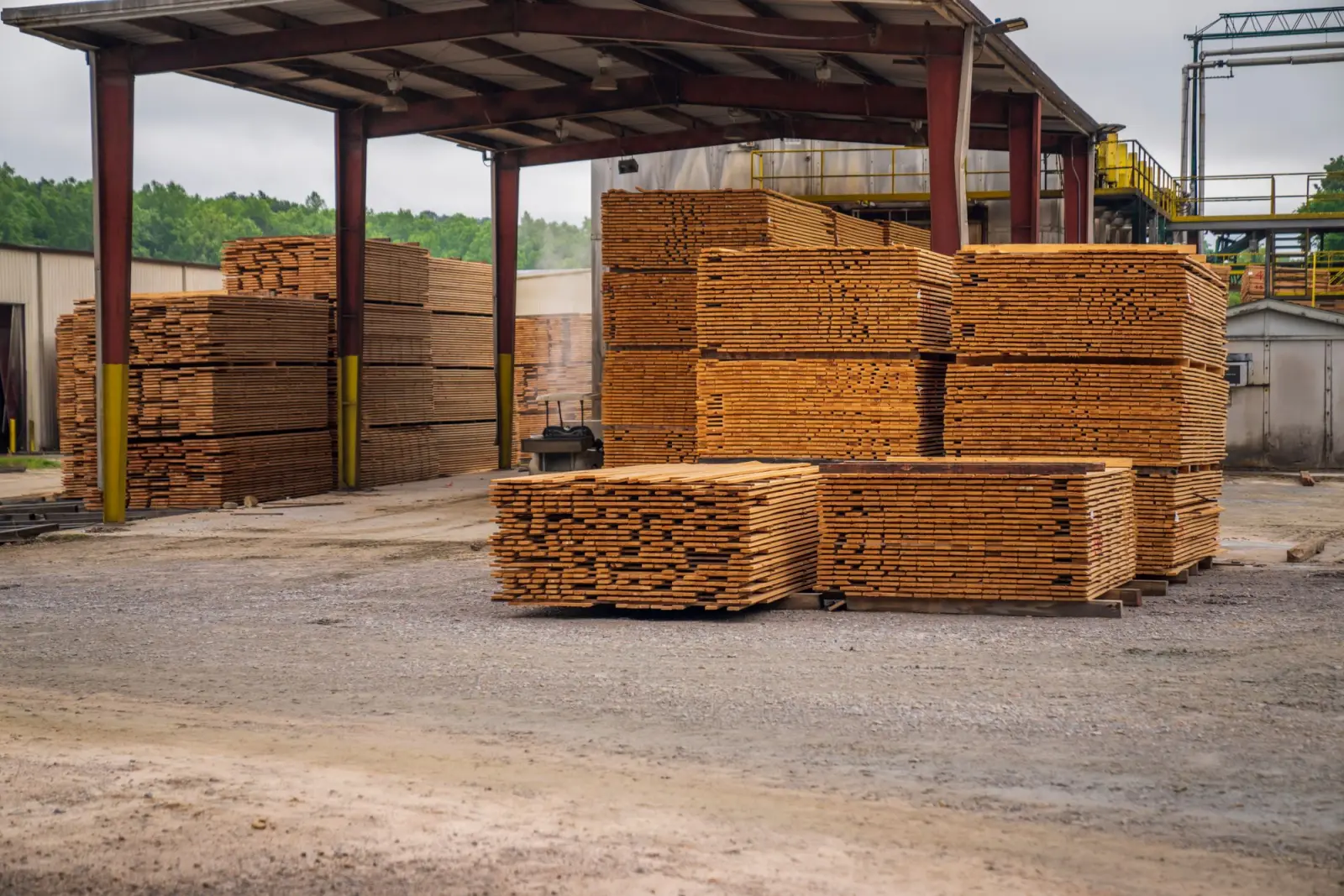
The best way to plan construction material delivery in Toronto and the GTA is to give your hauler a complete pickup list, a confirmed site access plan and a drop time that lands before your crew needs the material, not after. Get those three pieces right and most delivery problems disappear.
This guide covers what to send your hauler, how to handle site access and staging, and how to set up multi-supplier and recurring pickup runs.
What Should You Tell Your Hauler Before a Material Delivery?
Picture it from the driver's side. They pull into a lumber yard in Vaughan with a name and an address. The yard can't find the order. Nobody on site answers the phone. Forty minutes later the drywall still isn't loaded and your tapers are standing around in Etobicoke.
You avoid that with a short, complete brief. Send your hauler:
- Pickup details: supplier name, branch address, order or PO number and the name the order is under
- What's being picked up: item list with quantities, rough lengths (long lumber, steel studs, trim) and whether anything is on pallets
- Weight and size flags: anything unusually heavy, long or fragile, like glass, stone slabs or pre-hung doors
- Whether the supplier loads: some yards forklift onto the truck, others expect the driver to hand-load from the counter
- Site address and site contact: a name and a phone number that will actually be answered
- Drop location on site: garage, driveway, a specific floor, behind the hoarding
- Time window: when material needs to be on site, and any hours the site isn't open
Confirm with the supplier that the order is paid and ready before the truck leaves. A two-minute call saves a wasted trip.
How Do You Plan Site Access for a Delivery Truck?
Start with where the truck will physically stop. On a detached reno in a residential street, that's usually the driveway or the curb. On a mid-rise or commercial job, it might be a laneway, a loading area or a gate on the far side of the site.
Things to sort out before the drop:
- Is there room for the truck to pull in and turn around, or does it need to back in?
- Are there overhead wires, low branches or a tight laneway?
- Is the path from the truck to the drop spot clear of debris, open trenches and parked equipment?
- Does the site have a gate code, a lockbox or a supervisor who needs to sign in the driver?
- On a street with parking restrictions, have you checked the posted signs and any city requirements for occupying the road?
Condo and commercial renos add another layer. If material is going into an occupied building, the property manager may need to book the service elevator and loading dock, the same as a resident would for a move. Sort that out before you schedule the pickup.
When Should Materials Arrive Relative to Your Crew?
Just before they need them. Not a week early, not mid-morning when the crew is already waiting.
Arriving too early means material sits outside in the weather, gets in the way of other trades, or walks off overnight. Arriving late means paying a crew to wait. Most crews aim for one of these windows:
| Drop timing | Works well for | Watch out for |
|---|---|---|
| Early morning, before the crew starts | Framing lumber, drywall, anything the crew starts on that day | Someone needs to be on site to receive it and confirm the count |
| End of day, for the next morning | Large drops that would block work in progress | Overnight security and weather cover |
| Mid-day top-up | Small missed items, fasteners, a forgotten box of screws | Traffic on the 401 and DVP can stretch a short run |
Speaking of traffic: a supplier in Concord and a site in Scarborough look close on a map, but the drive between them can take twice as long at 8 a.m. as it does at 1 p.m. Build that into the window you give your hauler.
Where Should Materials Be Staged on Site?
Close to where they'll be used, and out of the way of everything else. That sounds obvious. On a cramped Toronto lot it rarely is.
Decide the staging spot before the truck shows up and tell the driver. Good habits:
- Keep lumber and drywall off the ground on dunnage or pallets
- Have tarps ready for anything that can't get wet
- Stage drywall and heavy sheet goods on the floor where they'll be installed, if the structure and access allow
- Leave a clear lane for the next delivery and for any bin swap
- Keep material away from the edge of excavations
If you're building out a unit and the material has to go upstairs, ask your hauler whether they carry it to the floor or drop at the door. Spell out which you need when you book.
How Do Multi-Supplier Pickup Runs Work?
One truck, several stops, one drop on site. Instead of sending a crew member to the plumbing supply house, then the lumber yard, then the tile shop, the hauler does the loop and your crew stays on the tools.
A multi-stop run goes smoothly when you:
- List every stop in a sensible geographic order, with order numbers for each.
- Call each supplier ahead to confirm the order is ready for pickup.
- Flag which stop has the heaviest or bulkiest load, so the driver can plan how the truck is packed.
- Put fragile items (fixtures, glass, finished trim) on the last pickup so they ride on top and come off first.
- Give one person on site the authority to check the delivery against the orders.
The real saving here is your crew's time. An hour of a carpenter driving around Mississauga picking up hardware is an hour not spent framing. Our supplier pickup runs are set up for exactly this kind of loop.
What Goes Wrong Most Often With Site Deliveries?
Rarely the driving. Most failed deliveries come down to information that didn't get passed along.
The order isn't ready. The yard has it scheduled for tomorrow, or part of it is back-ordered. Call ahead every time.
Wrong name on the order. The PO is under your company name, the driver asks for your site super's name, and the counter can't find it. Give the hauler the exact name the supplier has.
Nobody on site. The truck arrives, the gate is locked and the supervisor is at another job. Make sure someone can receive the load or tell the driver exactly where to leave it.
Short counts. Two bundles of studs instead of three. Have the person receiving the drop check it against the order before the driver leaves, not the next morning when the crew runs out.
Material that doesn't fit the plan. Sixteen-foot lengths going into a laneway site with a tight turn. Tell your hauler the lengths in advance so they can plan the load and the route.
Should You Set Up Recurring Material Runs?
If you're running more than one site, or a long job with steady material needs, yes. Recurring runs turn delivery into a routine instead of a daily scramble.
Common setups include a weekly pickup from the same lumber yard, a standing run between your shop and active job sites, or moving tools and equipment between sites as crews shift. That last one matters more than people expect: a compressor or a tile saw sitting at the wrong site can stall a whole day.
To make recurring runs work, keep a shared list your supervisors can add to, set a cut-off time for adding items, and review the run every few weeks as the job changes. If you also need debris hauled away on the return trip, look at construction debris removal.
Tanco has been doing this kind of work for 10 years and has served more than 50 contractors across Toronto and the GTA, with the same truck handling each job from pickup to drop. Call (647) 992-5757 or request a quote to talk through your next run.
Questions
What information does a hauler need for a supplier pickup?
The supplier's name and branch, the order or PO number, the name on the order, and a list of what's being picked up with any heavy, long or fragile items flagged. Add the site address, a site contact who will answer the phone and the time window for the drop.
Can one truck pick up from several suppliers in one trip?
Yes, that's what a multi-supplier pickup run is for. List the stops in a sensible order, confirm each order is ready, and note which loads are heaviest or most fragile so the truck can be packed properly.
When is the best time to have materials delivered to a job site?
Usually just before the crew needs them, often first thing in the morning. Early drops risk weather and theft, while late drops leave a crew waiting. Always plan for traffic when setting the window.
Do I need permission to have a truck park on the street outside my site?
It depends on the street and how long the truck needs to stay. Check the posted parking signs and contact the City of Toronto or your local municipality about any requirements for occupying the road. Use a driveway or on-site loading area when you can.